Loading...
A cracked crown or failing mortar lets water in fast once Folsom's rainy season starts. We inspect, diagnose, and repair - so your fireplace is safe and sealed before November, not patched and hoping for the best.
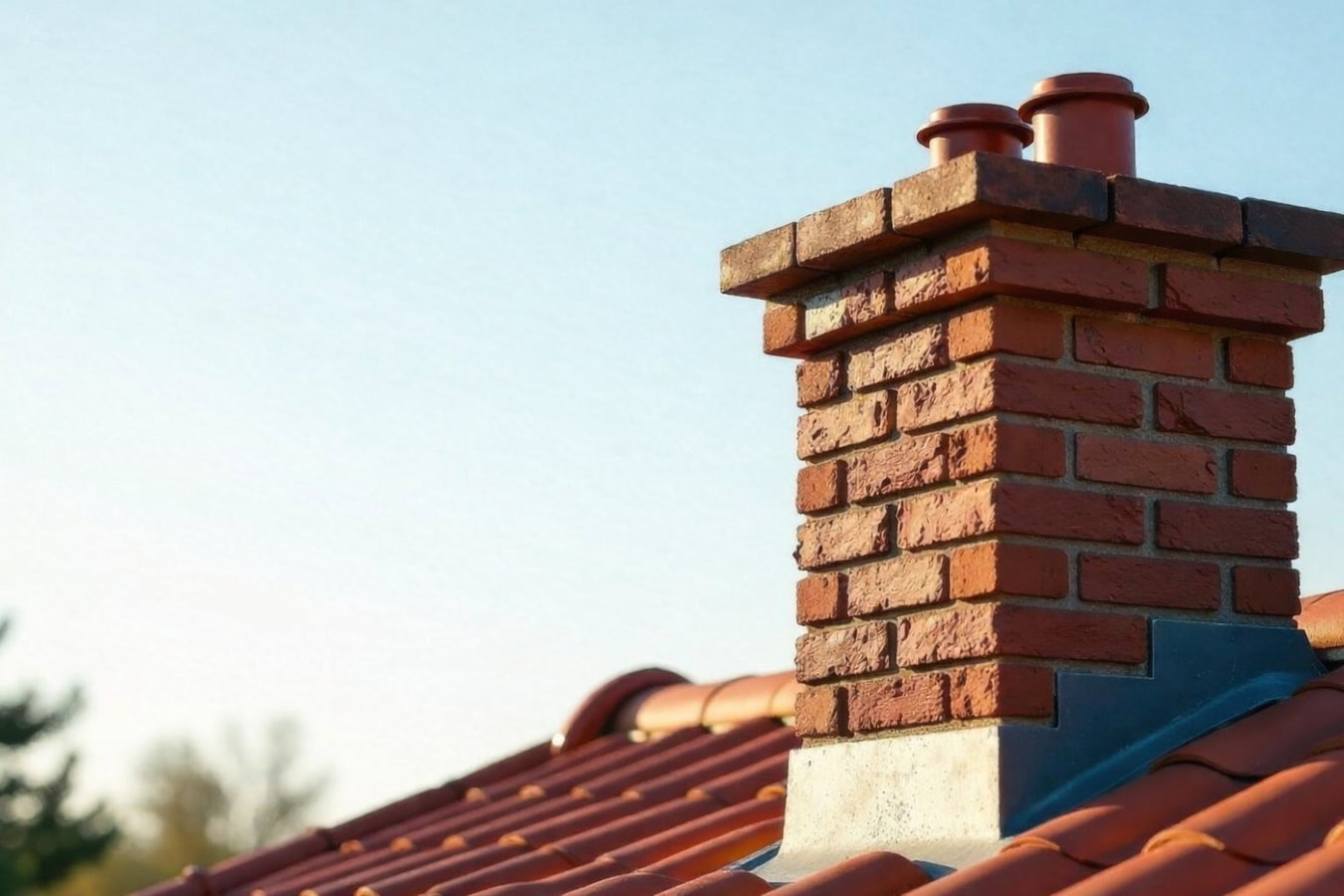
Chimney repair in Folsom addresses crumbling mortar joints, cracked crowns, damaged caps, and deteriorated liners - most standard repairs complete in one to two days and start with a camera inspection of the flue to see exactly what is going on. The chimney does more than carry smoke out of the house. It keeps heat, sparks, and carbon monoxide from leaking into your living space. When the mortar, bricks, or liner break down, those protections start to fail even if the fireplace still looks fine from the living room.
Many Folsom homes built during the 1990s and early 2000s boom came with builder-grade chimneys that are now reaching the age where mortar fails and crowns begin to crack. Folsom's temperature swings - hot summers and cold winter nights - accelerate wear on mortar joints faster than homeowners typically expect. In some cases, chimney problems and structural masonry issues overlap, which is why our tuckpointing team is often part of a chimney repair project when mortar deterioration has spread beyond just the chimney itself.
The Chimney Safety Institute of America recommends an annual chimney inspection - and for good reason. Catching a small mortar issue before the rains arrive is far less expensive than dealing with water damage inside the chimney after a wet week.
White, chalky streaks running down the outside of your chimney mean water is moving through the masonry and leaving mineral deposits behind. In Folsom, this often shows up after the rainy season - November through March - when chimneys take the most water exposure. It is not just cosmetic. It means moisture is getting in somewhere it should not be.
Stand back and look at your chimney from the yard. If you can see gaps between bricks, or if the mortar looks sandy and recessed rather than flush and solid, it is time to call someone. Folsom's temperature swings - hot summers and cold winter nights - accelerate this wear, especially on chimneys that are 15 or more years old.
If you open the fireplace damper and find small chunks of clay or tile in the firebox, those pieces likely fell from the liner inside the chimney. This is one of the more serious warning signs - it means the interior channel that guides smoke and gases out is breaking apart. Do not use the fireplace until this has been evaluated by a professional.
A persistent smell from the fireplace - especially after rain - usually means water is getting into the chimney and mixing with old creosote or ash. This is a common complaint in Folsom homes after the first big storms of the season, and it almost always points to a cap, crown, or flashing issue that needs attention before the problem goes deeper.
Every chimney repair starts with an inspection - from the outside, inside the firebox, and up the flue with a camera where needed. We give you a written, itemized list of what we found before any work is quoted. The most common repair is tuckpointing: chiseling out crumbling mortar and packing in fresh mortar that matches the existing masonry. It is also one of the most cost-effective repairs you can make, because failing mortar is usually the first thing to go and catching it early prevents water from getting behind the bricks and causing far more expensive damage. For a full overview of how tuckpointing works across different masonry surfaces, see our tuckpointing page.
Beyond mortar work, we repair and replace chimney crowns, caps, and flashing. The crown is the concrete slab that seals the top of the chimney around the flue - even a hairline crack is enough to let water in and turn a $200 seal into a $2,000 job if ignored. We also reline damaged flues and, where waterproofing after structural repairs makes sense, apply breathable water repellent to slow future infiltration. If your chimney problems connect to a fireplace that needs attention, our fireplace installation team handles firebox rebuilds and new fireplace construction as part of the same project.
Best for chimneys 15 or more years old showing recessed or crumbling mortar joints.
Suited for hairline cracks or full crown failure - stops water entry at the source.
A missing or rusted cap leaves the flue open to rain, animals, and debris - a quick fix that prevents expensive damage.
For chimneys with cracked or deteriorated liners - restores the safe channel for smoke and combustion gases.
Folsom sits in the Sierra Nevada foothills, where temperatures swing from over 100 degrees in summer to below freezing on winter nights. That temperature cycling causes mortar joints and chimney crowns to expand and contract repeatedly, which is one of the leading causes of cracking over time. Folsom's rainy season runs roughly November through March - and a chimney with a cracked crown or missing cap is essentially open to the sky for those five months. Water damage to the interior of a chimney can happen faster than most homeowners expect, which is why late summer and early fall is the ideal repair window. Mortar cures best in dry conditions, and fall is when contractor schedules fill up fastest.
Many of Folsom's planned communities - including neighborhoods built out in the 1980s through early 2000s - used builder-grade chimneys that are now approaching or past the age when mortar and crowns typically fail. We work on chimneys throughout Folsom and in nearby communities, including El Dorado Hills and Citrus Heights, where similar housing stock and climate conditions create the same repair patterns. The National Fire Protection Association recommends annual chimney inspections - a standard we think makes particular sense in this climate.
We respond within 1 business day. Calling before October gives you more flexibility - fall is the busiest season for chimney work across Folsom. We ask a few questions to show up prepared: age of the home, last inspection, and what prompted you to call.
We inspect the chimney from outside, check the firebox and damper inside, and use a camera to look up the flue where needed. You get a written estimate that lists each repair separately - not a single lump sum. If we cannot explain what is wrong in plain terms, that is a red flag we hold ourselves to.
For routine repairs - sealing, cap replacement, tuckpointing - no permit is typically required. For structural or liner work, we confirm with the City of Folsom's Building Division and handle the paperwork. You do not manage this yourself.
Most repairs wrap up in one day. We clean up debris from the roof and yard and take photos of the completed work at the top of the chimney - you can see exactly what was done. If fresh mortar or sealant was applied, we give you a written curing timeline before we leave.
We respond within 1 business day and the estimate is free. After you submit, someone from our office will call to schedule a time that works for you. No obligation to proceed, and you keep the written assessment either way.
(279) 235-1871We list every repair separately so you can see exactly what you are paying for and make an informed decision about what to prioritize. No surprises on the final bill.
We look inside the chimney before we quote anything. What appears to be a simple mortar issue from the ground can reveal something more involved once someone looks up the flue. That step protects you from underestimating a problem and us from overestimating it.
We take photos at every stage and walk you through each one before we leave. You have a clear record of the work - not just a bill and a handshake. This also means you have documentation if an insurance or HOA question ever comes up.
Most of Folsom's chimneys were built during the 1990s and early 2000s with minimum-spec materials that are now reaching the end of their useful life. We know what to look for on these structures and how to repair them correctly for the local climate.
Good chimney repair is visible if you know what to look for - fresh mortar joints should be uniform in color and depth, a properly installed cap should fit snugly with no gaps, and you should be able to see the work clearly in photos before the crew leaves. That is the standard we hold ourselves to on every job. You can learn more about what to expect from a professional chimney inspection at the Chimney Safety Institute of America.
When mortar failure has spread beyond the chimney to other brick surfaces, tuckpointing addresses the full scope in one project.
Learn MoreIf chimney damage extends into the firebox structure itself, we can rebuild or replace the entire firebox as part of a single scope of work.
Learn MoreCall (279) 235-1871 now or request a free estimate online - repairs done in fall cure properly and protect your chimney through the full wet season.